termite inspections
Protect your home from costly damage with a comprehensive termite inspection carried out by one of our licensed experts. Whether you’ve noticed signs of termite activity or simply want peace of mind, our thorough inspections are designed to detect hidden infestations and assess potential risks.
Don’t wait until it’s too late — book your termite inspection now and safeguard your property for the future.
Got questions about termite INSPECTIONS? Our team is here to help!
If you don’t see what you’re looking for, reach out — we’re always happy to provide expert advice and guide you through the process.
What are Termites?
A termite is a small, soft-bodied insect that feeds on wood and other materials containing cellulose. In Australia, termites are often referred to as "white ants," although they’re not actually ants at all. They live in large colonies and are highly organised, with different castes such as workers, soldiers, and a queen, each playing a specific role in the colony’s survival.
Australia is home to over 300 species of termites, but only a few are known to cause damage to homes and buildings. The most destructive types are subterranean termites, which build nests underground and travel through mud tunnels to reach sources of timber. They can go unnoticed for months or even years while causing significant structural damage.
Termites are especially problematic in warm and humid regions, making many parts of Australia ideal for infestations. They thrive in areas with poor drainage, damp wood, or where there’s direct contact between timber and soil. Because of their ability to silently destroy timber from the inside out, they pose a serious risk to both new and older homes if not properly managed.
Why is a Termite Inspection important?
A pest inspection is an essential part of maintaining the safety, health, and value of any property. It involves a thorough assessment of a building by a licensed professional who looks for signs of infestation by pests such as termites, rodents, cockroaches, ants, and other unwanted creatures. These inspections are designed to identify not only active infestations but also the conditions that may lead to future problems, such as moisture issues, entry points, or structural vulnerabilities.
One of the key reasons pest inspections are so important is the potential damage pests can cause. Termites, for example, can silently destroy timber structures, compromising the integrity of a home and resulting in expensive repairs. Rodents can chew through electrical wiring, increasing the risk of fire, while cockroaches and ants can contaminate food and spread disease. Identifying these problems early can save property owners significant time, stress, and money.
Whether you're buying a new home or maintaining your current residence, knowing that your property is free from pest-related risks helps ensure a healthier and safer living environment.
What is a Termite Inspection?
A termite inspection is a detailed examination of a property carried out by a licensed pest inspector to check for signs of termite activity or damage. The inspector will assess both the interior and exterior of the building, including hard-to-reach areas like roof voids, crawl spaces, basements, and around the foundation. They’ll look for visible signs such as mud tubes, hollow timber, discarded wings, and termite droppings.
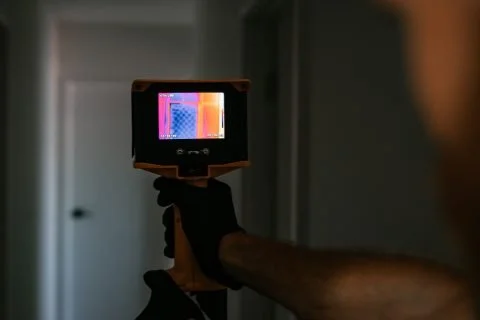
These inspections are often visual and non-invasive, meaning no damage is done to the property during the process. However, experienced inspectors know how to spot subtle signs of termite presence, even when the insects themselves are hidden. They may also use moisture meters or thermal imaging to detect areas that are more likely to attract termites.
A termite inspection typically concludes with a report that outlines the findings, including any signs of termites, damage, and conditions that could encourage future infestations. If termites are found, the report will usually include recommendations for treatment and prevention.
What problems can Termites cause?
Without regular inspections, you could unknowingly be sharing your home with these destructive pests.
Termites can cause a number of problems around your home.
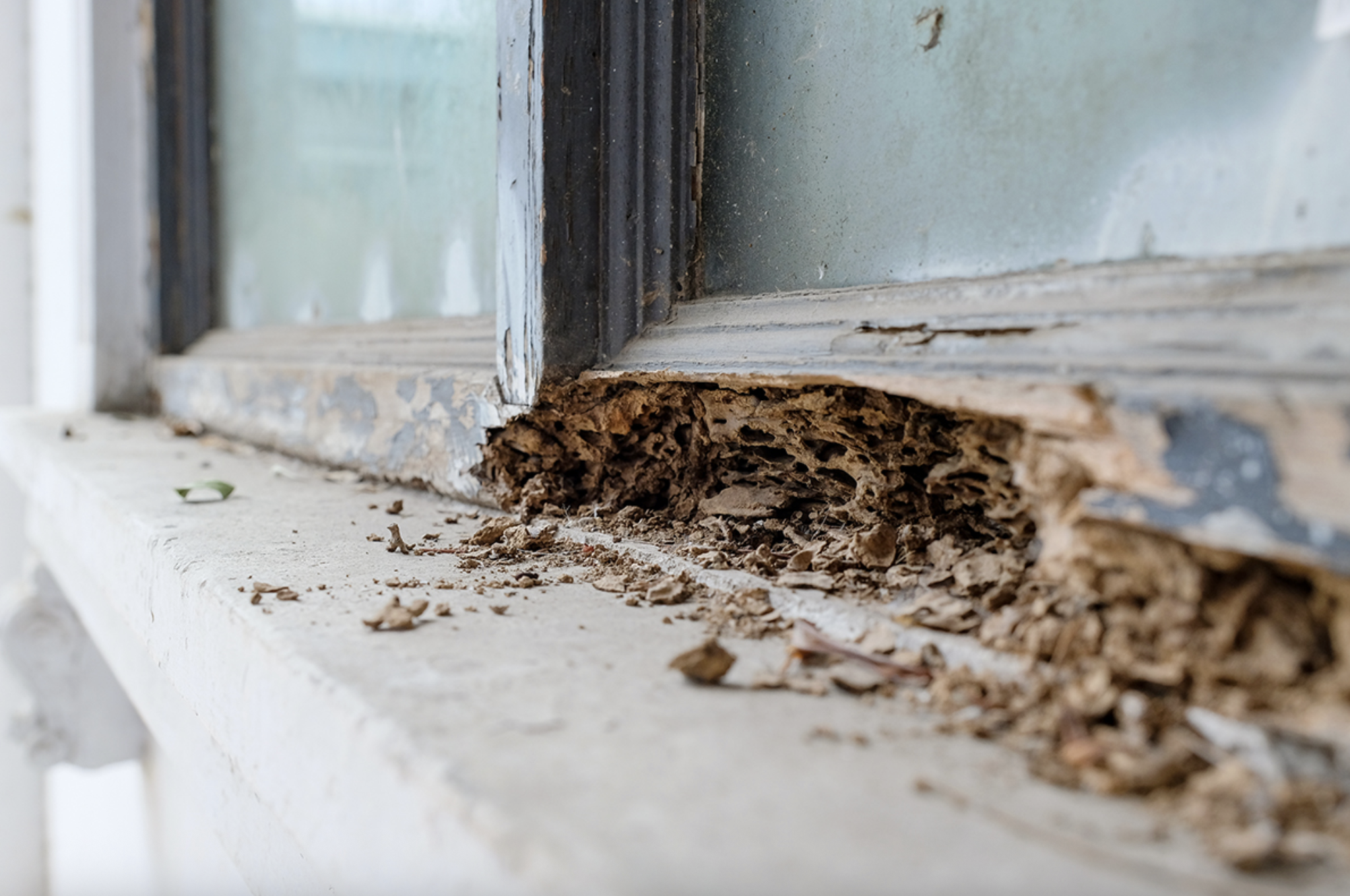
Structural damage: Termites eat through wood and can hollow out entire support beams, making your home unsafe.
Decreased property value: A termite history can turn away buyers and reduce the resale value of your home.
Costly repairs: Depending on the extent of the infestation, repairs can range from minor wood replacements to full structural restoration.
Hidden infestations: Termites often live in walls, under floors, or inside foundations—places you won’t easily notice without a professional.
Protect your health – While termites don’t bite or spread disease, untreated infestations can lead to mould growth and airborne dust from damaged wood, which may trigger allergies, asthma, or respiratory issues in sensitive individuals.
What steps can I take at home to prevent Termites?
Termites pose a serious threat to Australian homes, especially in warm, humid climates where they thrive.
Fortunately, there are several simple steps homeowners can take to reduce the risk of an infestation and protect their property.
1. Keep moisture under control
Termites are attracted to damp environments. Make sure gutters and down-pipes are clear and direct water away from the home. Fix any leaking taps, pipes, or air conditioning units, and ensure the sub-floor area is well-ventilated and dry.
2. Avoid wood-to-soil contact
Where possible, avoid having timber structures—like decking posts or garden beds—touch the soil directly. Use metal stirrups or termite-resistant materials to elevate wood above ground level, making it harder for termites to gain access.
3. Remove timber debris
Old tree stumps, firewood piles, and timber off-cuts near the house can attract termites. Keep firewood stored off the ground and away from the home, and clear away any timber waste or mulch buildup.
4. Inspect regularly
Regularly check for signs of termite activity, such as mud tubes, hollow-sounding wood, or discarded wings. Pay close attention to skirting boards, window frames, and other timber features.
5. Get professional inspections
Even if there are no obvious signs, it’s wise to schedule a professional termite inspection at least once a year. Licensed pest inspectors can identify early warning signs and advise on treatment or prevention options.
Taking these precautions can go a long way in keeping your home termite-free and saving you from costly repairs in the future.
Prevention is always better than a cure—especially when it comes to these silent destroyers.